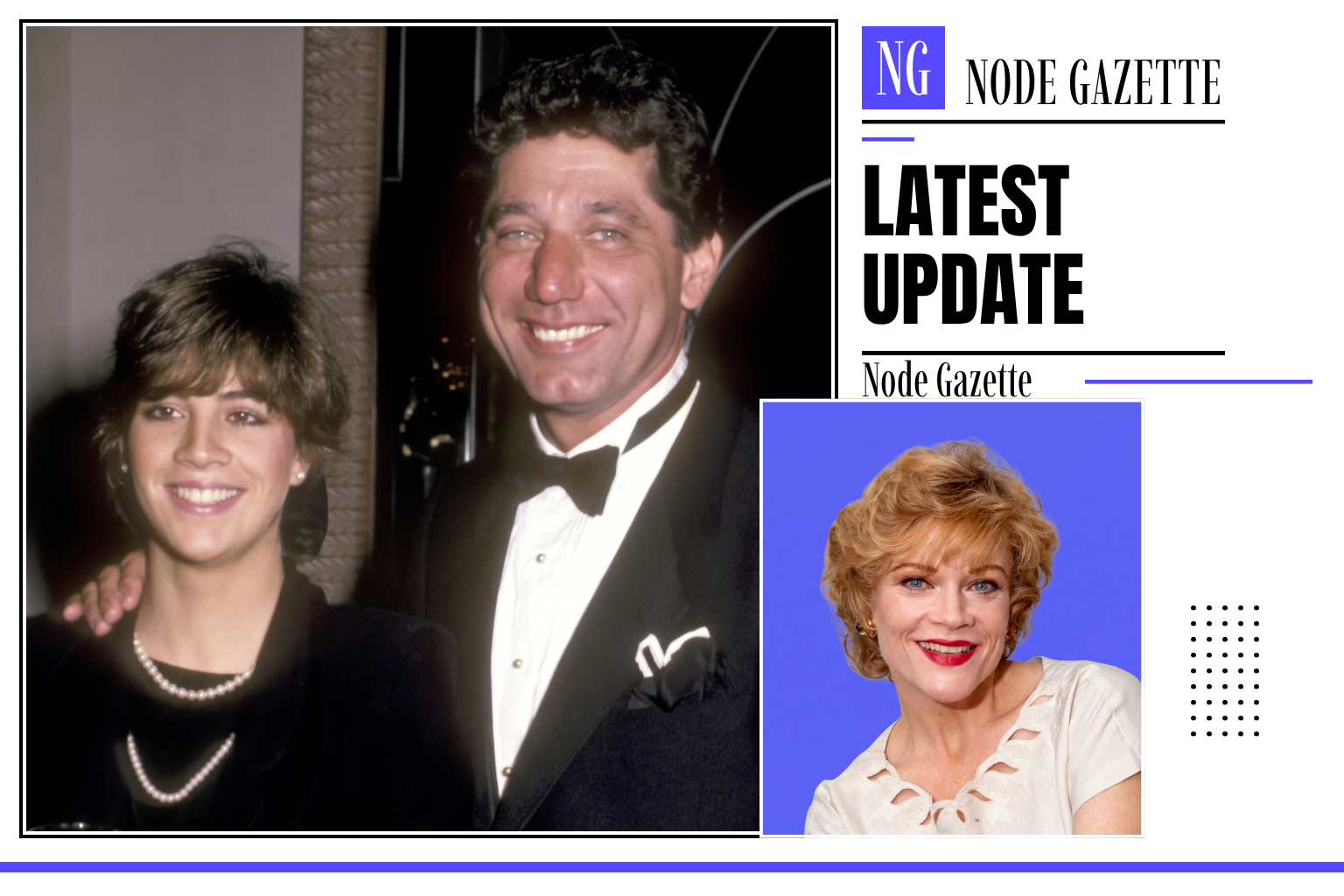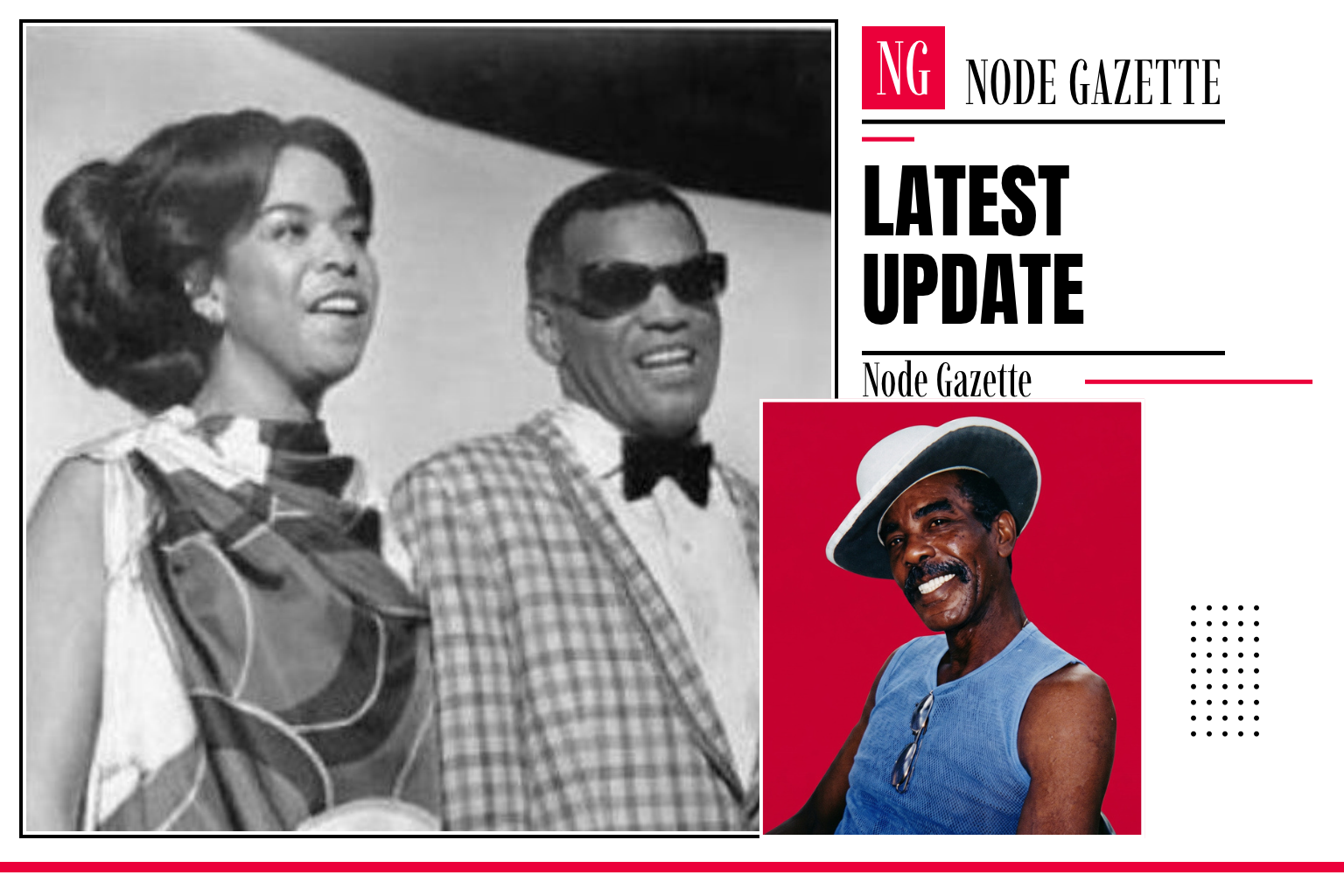
Charles Wayne Hendricks is known primarily because of his parents: legendary American musician Ray Charles and singer Margie Hendrix, who was associated with the Raelettes, Ray Charles’s backing vocal group. Unlike his father, whose music shaped rhythm and blues, soul, gospel, and popular music, Charles Wayne Hendricks lived largely outside public celebrity. That difference helps explain why people search for details about his birth, family, siblings, marriage, and later life. Some information about him appears in biographies of Ray Charles, but the record is uneven. A careful account should distinguish the widely reported facts of his parentage from details about his private life that are harder to verify independently.
Quick Information
Full name: Charles Wayne Hendricks
Born: October 1, 1959
Father: Ray Charles Robinson
Mother: Margie Hendrix, also written Margie Hendricks
Known for: Being the son of Ray Charles and Margie Hendrix
Siblings: Eleven paternal half-siblings, according to accounts of Ray Charles’s family
Reported death: May 7, 2013; date is repeated in biographies but primary confirmation is limited
Profession: Not clearly documented in reliable public sources
Birth and Parentage
Charles Wayne Hendricks was born on October 1, 1959, according to published accounts of Ray Charles’s family. His father was Ray Charles Robinson, the singer, pianist, and songwriter whose recordings helped shape modern American music. His mother was Margie Hendrix, a powerful vocalist associated with the Raelettes. Her surname is written both Hendrix and Hendricks in different sources, which can create confusion when researching the family. The birth date and parentage are widely repeated in biographical material. Some accounts place his birth in Harlem, New York City, although that specific location is less firmly documented than the identity of his parents.
Ray Charles and His Musical Legacy
Ray Charles was one of the most influential musicians of the twentieth century. His work combined gospel intensity with blues, jazz, country, rhythm and blues, and pop, helping shape what became known as soul music. His recordings reached audiences across racial and musical boundaries at a time when American popular culture was changing rapidly. Songs such as “What’d I Say,” “Georgia on My Mind,” and “Hit the Road Jack” became enduring standards. Ray’s fame brought attention to his family, but it did not mean that every child lived publicly. Charles Wayne Hendricks’s life is a reminder that the children of major performers may be connected to a celebrated legacy while remaining private individuals themselves.
Margie Hendrix and the Raelettes
Margie Hendrix was a singer known for a strong, expressive voice and her work with the Raelettes. Backing vocal groups were an important part of Ray Charles’s live performances and recordings, adding harmony, rhythmic drive, and dramatic energy. Hendrix’s association with the group placed her within a demanding professional musical environment. Her relationship with Ray Charles and the birth of Charles Wayne Hendricks are part of the singer’s personal history, but public accounts provide less detail about the family’s everyday life. Margie died while Charles Wayne Hendricks was still young, a loss that likely changed his family circumstances, although reliable firsthand accounts describing his experience are scarce.
Childhood and Family Circumstances
Because Charles Wayne Hendricks was born in 1959 and his mother died in the early 1970s, he was still a teenager or younger when he lost her. Some biographies state that Ray Charles raised him afterward, but detailed records of his living arrangements and upbringing are limited. It is therefore better to avoid constructing a confident narrative about where he lived, who cared for him at every stage, or what his relationship with each relative was like. The broader context is clear: he grew up connected to two musicians whose lives were shaped by performance, touring, and public attention. The exact experience of his childhood, however, remains mostly outside the public record.
Siblings and the Wider Ray Charles Family
Ray Charles had twelve children with several women, according to published family histories. Charles Wayne Hendricks was one of those children and therefore had eleven paternal half-siblings. The family included children born across different decades, and not all of them shared the same household or public experience. A large family connected to a touring musician can have complex relationships and different levels of contact with the public. Some of Ray Charles’s children have appeared in interviews or participated in discussions about his legacy; others have kept their lives private. It is important not to assume that all siblings had the same upbringing or relationship with their father.
Did Charles Wayne Have a Career in Music?
Unlike Ray Charles and Margie Hendrix, Charles Wayne is not widely documented as a professional musician. Reliable public sources do not provide a detailed, consistent account of his occupation or a major entertainment career. That absence should not be taken to mean that he lacked interests or achievements; it only means that his work was not broadly recorded in public biographies. It would be inaccurate to invent a career, list unverified employers, or claim that he followed his parents into music without supporting evidence. For biographical purposes, the most defensible statement is that he is publicly known primarily through his family connection.
Marriage and Children: What Is Reported
Some secondary biographies identify a woman named Marlene Hendricks as Charles Wayne’s wife and report that he had seven biological children and three stepchildren. These details are repeated online, but strong independent public documentation is limited. A careful article should therefore present them as reported rather than conclusively established. Names and family details can be especially vulnerable to copying errors when multiple relatives share similar surnames. Without reliable records or direct family statements, it is better not to add children’s names, birth dates, or personal details. The aim is to help readers understand what is available while making the limits of that information clear.
Reported Death and Unanswered Questions
A number of biographies report that Charles Wayne Hendricks died on May 7, 2013, at the age of 53. However, an authoritative obituary or primary record confirming the exact date is not easy to locate in widely available sources. His cause of death is also not reliably established in the public record. When a death is reported mainly by secondary biography pages, writers should avoid presenting a cause or circumstances as fact unless supported by stronger documentation. The same caution applies to claims about where he lived in later life. A lack of easily found records does not justify filling the gaps with speculation.
Why His Story Attracts Interest
Interest in Charles Wayne comes from the contrast between his father’s enormous public legacy and the relative privacy of his own life. Readers often want to know how the children of famous musicians grew up, whether they pursued similar careers, and how they relate to the family legacy. In Charles Wayne’s case, the public record answers some basic questions about his parentage and place within Ray Charles’s family but leaves many personal questions unresolved. This makes accuracy especially important. A detailed biography does not need to make every part of a person’s life appear fully known; it can explain the available evidence and identify the areas where the record remains incomplete.
Conclusion
Charles Wayne Hendricks was the son of Ray Charles and Margie Hendrix, a singer associated with the Raelettes. Born in 1959, he was one of Ray Charles’s twelve children and had eleven paternal half-siblings. His parents’ musical achievements are well documented, while his own profession and personal life received far less public attention. Reports about his marriage, children, and death exist, but some details are not independently confirmed by strong primary sources. The most trustworthy account therefore focuses on his documented family background and treats uncertain personal claims with care. His story remains part of the wider history of Ray Charles, while also reminding readers that relatives of famous people deserve accuracy and privacy.
How Biographical Details Become Confused
Names are not always consistent across records, especially when a family member’s surname appears in more than one spelling. Margie Hendrix is also referred to as Margie Hendricks, and this variation can lead to duplicated or mismatched information in online biographies. Dates and family relationships can also be copied from one page to another without checking the original source. Readers should therefore treat a cluster of similar websites as weaker evidence than a contemporaneous record or a well-established family history. The goal is not to dismiss every secondary account, but to recognize the difference between a widely repeated claim and a fact supported by independent evidence.
A Legacy Connected to Music History
Charles Wayne’s place in the family provides a human perspective on the history surrounding Ray Charles. The singer’s career is often described through albums, hit songs, awards, and innovations in sound. Family members, however, lived with the ordinary realities that accompany a public career: absences, changing households, attention from strangers, and the challenge of maintaining private relationships. It would be inappropriate to claim how Charles Wayne personally experienced those pressures without testimony from him or his family. Still, his biography shows that the story of a major artist includes people whose own lives may remain largely outside the spotlight.