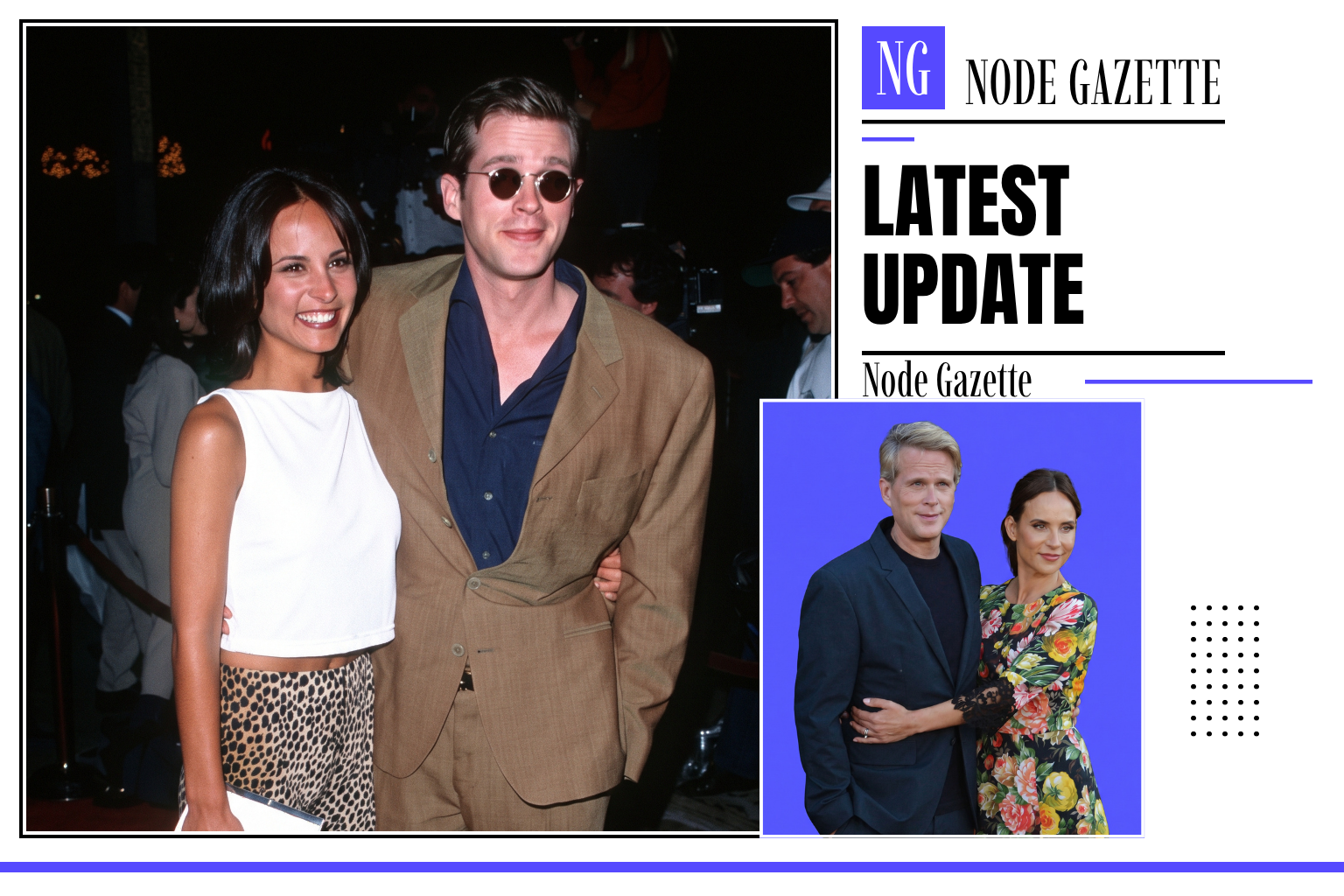
Kathy Ambush is most widely known as the first wife of Clarence Thomas, the American jurist who became an associate justice of the United States Supreme Court in 1991. Their relationship began long before Thomas became a nationally recognised legal figure. It belongs to the period when he was a college student and young professional, building the foundations of a career that would eventually place him at the centre of American public life. Ambush herself has kept a comparatively private profile, so a responsible biography must distinguish well-documented milestones from personal details that are repeated online without strong evidence.
Quick Information
Full name commonly reported: Kathy Grace Ambush
Known for: Former wife of Clarence Thomas
Marriage: 1971
Son: Jamal Adeen Thomas
Separation: 1981, as reported in biographical accounts
Divorce: 1984
Public profile: Private; limited verified current information
Early Life and Background
Public accounts commonly identify Ambush as Kathy Grace Ambush and connect her early life with Worcester, Massachusetts. She met Clarence Thomas while he was studying at the College of the Holy Cross. Contemporary reporting about Thomas’s early life describes their introduction through friends in the college community. Compared with Thomas, whose education and public appointments have been extensively documented, Kathy Ambush has not maintained a public career that generated a similarly detailed record. As a result, many specific claims about her childhood, date of birth, education, and later employment should be treated cautiously unless they can be traced to reliable records.
This absence of detail is not evidence that her life lacked substance. It reflects a difference in public exposure. Thomas’s later role in government and on the Supreme Court made his background a subject of sustained reporting, while Kathy Ambush chose not to become a public commentator or celebrity figure. The most accurate approach is to provide the confirmed outline of her life without inventing scenes, motives, or personal experiences that have not been documented.
Marriage to Clarence Thomas
Kathy Ambush and Thomas married in 1971, the year Thomas completed his undergraduate education. Their marriage therefore began before he attended Yale Law School and before his subsequent work in public service. The relationship unfolded during a period of transition, as Thomas moved from college into legal education and a professional life that would eventually include federal government appointments and a seat on the nation’s highest court.
Thomas’s public profile changed dramatically over the decades, but the couple’s marriage is a relatively brief chapter in the longer timeline of his career. Their private relationship should not be reduced to a footnote, yet it is also important not to claim knowledge of its everyday dynamics without evidence. Online biographies sometimes supply confident explanations for the marriage’s difficulties, but the private reasons behind a separation are not comprehensively established in authoritative public sources. A careful account can state the dates and family facts while leaving personal interpretations out.
Their Son, Jamal Adeen Thomas
Kathy Ambush and Clarence Thomas had one son, Jamal Adeen Thomas, born in the early 1970s. Jamal’s birth is an important milestone in the family’s story because it connects the couple’s early marriage to the next generation. Reporting from the 1990s noted that Jamal attended the Virginia Military Institute. Like his mother, he has generally kept a lower public profile than Clarence Thomas, and it is sensible to avoid treating unverified online claims about his career or private life as established facts.
Family relationships can attract public attention when one parent is a high-profile official. That attention does not mean every detail about a child should be circulated or inferred. The available public record is sufficient to establish that Jamal is the son of Kathy Ambush and Thomas without speculating about private relationships or personal beliefs.
Separation and Divorce
Accounts of the couple’s timeline commonly state that they separated in 1981 and divorced in 1984. The divorce took place before Thomas’s nomination to the Supreme Court in 1991. After the marriage ended, Thomas later married Virginia Lamp, widely known as Virginia “Ginni” Thomas, in 1987. The later marriage and Thomas’s growing public profile sometimes overshadow the earlier family chapter, but Ambush’s place in the timeline is clear.
The specific reasons for the divorce should not be presented as fact unless supported by reliable first-hand accounts or strong reporting. Relationship breakdowns are complex, and a public biography should not convert rumours into a definitive explanation. It is more useful to establish the timeline, acknowledge the limits of the public record, and respect the privacy of the people involved.
Life Away from the Spotlight
Kathy Ambush has largely stayed out of public view. Modern biography pages sometimes give detailed descriptions of her career, later relationships, finances, or current residence, but such details are not always backed by transparent sources. Repetition across websites is not the same as verification. Where the evidence is thin, the responsible choice is to say so rather than to fill the gap with an attractive but unsupported narrative.
Privacy is itself a meaningful part of the story. Kathy Ambush did not become a political spokesperson or regularly give interviews about her former husband. Her limited public presence means there is little reliable basis for a detailed account of her present-day routine. Readers can understand her public significance without needing an exact address, a speculative net-worth estimate, or claims about her personal activities.
Why Kathy Ambush Continues to Draw Interest
Search interest in Kathy Ambush is closely linked to the prominence of Clarence Thomas. Readers want to understand the people and relationships that shaped public figures before they became nationally known. In this case, the marriage began while Thomas was still at an early stage of his career, which makes it part of the history behind his public biography.
The challenge is to meet that curiosity without overstating what is known. A good biography uses verified dates and family relationships, marks uncertain information clearly, and does not present guesswork as reporting. This is especially important when writing about someone who has not sought public attention. Ambush’s story can be explained through the documented outline of her marriage, motherhood, and private life without exaggerating details or claiming access to her thoughts.
Understanding Public Records and Privacy
A biography often relies on a combination of contemporary reporting, official records, and later interviews. Each type of source has strengths and limitations. Contemporary reporting may establish a date or describe an event, but it may contain only the information available at the time. Later profiles may add context, yet they can also repeat claims without independently verifying them. For a person who has remained private, this source problem becomes especially important.
Readers should be wary of precise personal details that appear only on low-transparency websites. Exact birth dates, later marriages, current residences, and financial estimates may be copied from one page to another. A trustworthy writer identifies the strongest facts, avoids publishing sensitive details that are not needed, and marks uncertainty openly. In Ambush’s case, the marriage timeline and the existence of her son are more firmly established than many claims about her later life. That is the foundation on which a careful profile should rest.
Conclusion
Kathy Ambush is best known as Clarence Thomas’s first wife and the mother of their son, Jamal Adeen Thomas. They married in 1971 and divorced in 1984 after a period of separation. Beyond these central facts, the public record is limited, and many online claims about her private life require careful verification. Her biography is therefore a reminder that public curiosity should be balanced with accuracy and respect. The strongest account is not the one that makes the most dramatic claims, but the one that clearly separates documented milestones from information that remains private or uncertain.