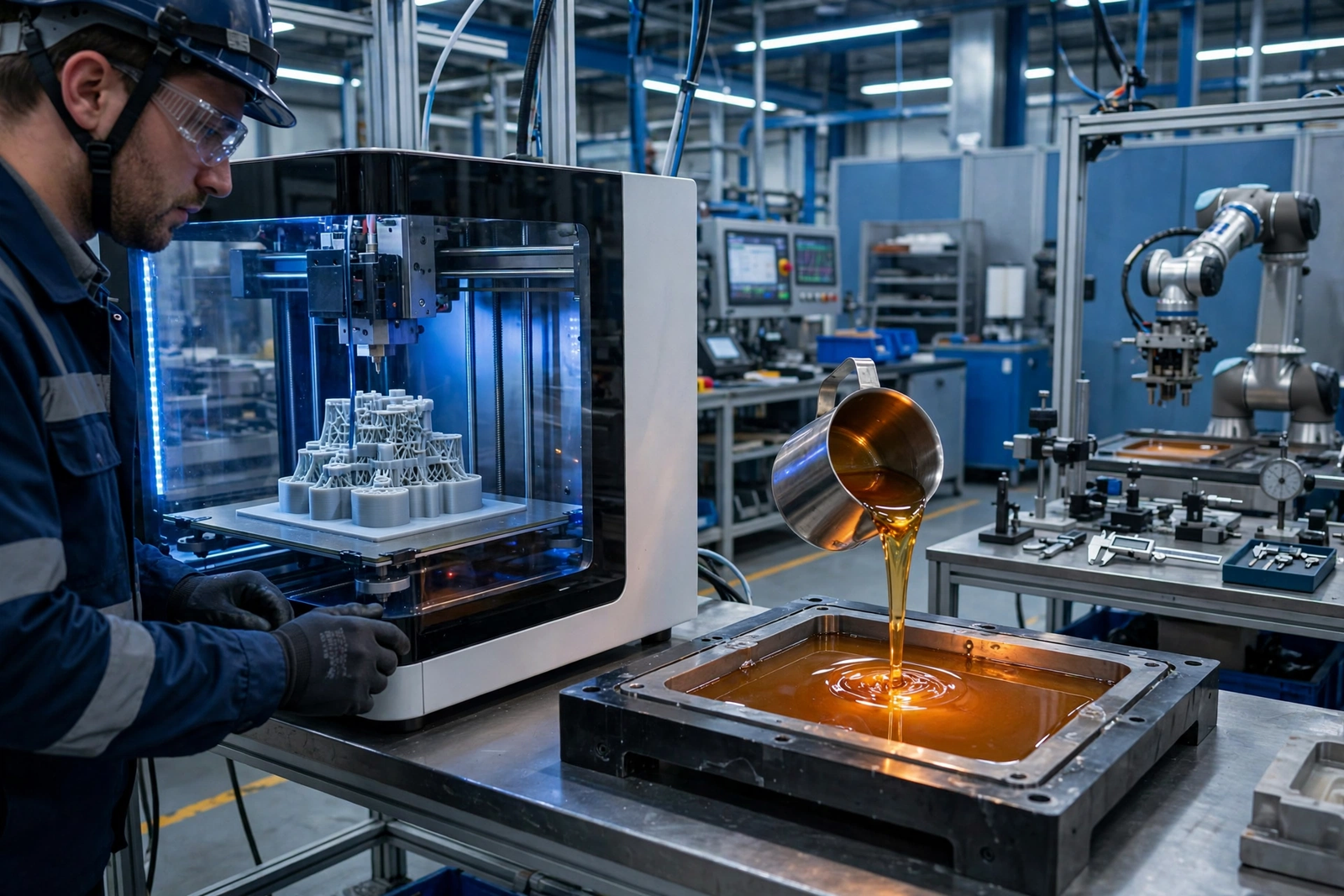
Repmold appears online in two contexts: as the name of a multi-topic publishing website and as a term used by some articles to describe mould replication or modern mould-making ideas. Those uses should not be treated as interchangeable. The website’s About page presents it as a place for writers to share articles, while other pages describe Repmold as a manufacturing innovation. This guide separates the website identity from technical claims that require independent evidence.
| Field | Details |
|---|---|
| Name | Repmold |
| Website | Repmold.com |
| Website type | Multi-topic publishing and guest-post platform |
| Other online usage | Sometimes described in connection with mould replication |
| Technical status | Not established as a widely recognized industry standard |
What Is Repmold?
Repmold does not have one universally established meaning across every online result. Repmold.com describes itself as a content website that welcomes contributors and publishes material across different subject areas. Elsewhere, the word is used to discuss mould-making, replication, rapid tooling, and digitally supported manufacturing. A reader should first determine whether a page is talking about the website or using the word as a proposed name for a technical process. Confusing those meanings can lead to inaccurate conclusions.
Repmold.com as a Publishing Website
The site’s About page describes a mission centered on sharing knowledge, experiences, and ideas through guest contributions. It presents the platform as a community for writers across topics such as technology, fashion, and lifestyle. This is a publishing model, not proof that the website manufactures equipment or owns a patented production method. Anyone considering contributing should read submission rules, editorial policies, contact information, and terms before sending original work.
repmold: What Mould Replication Means
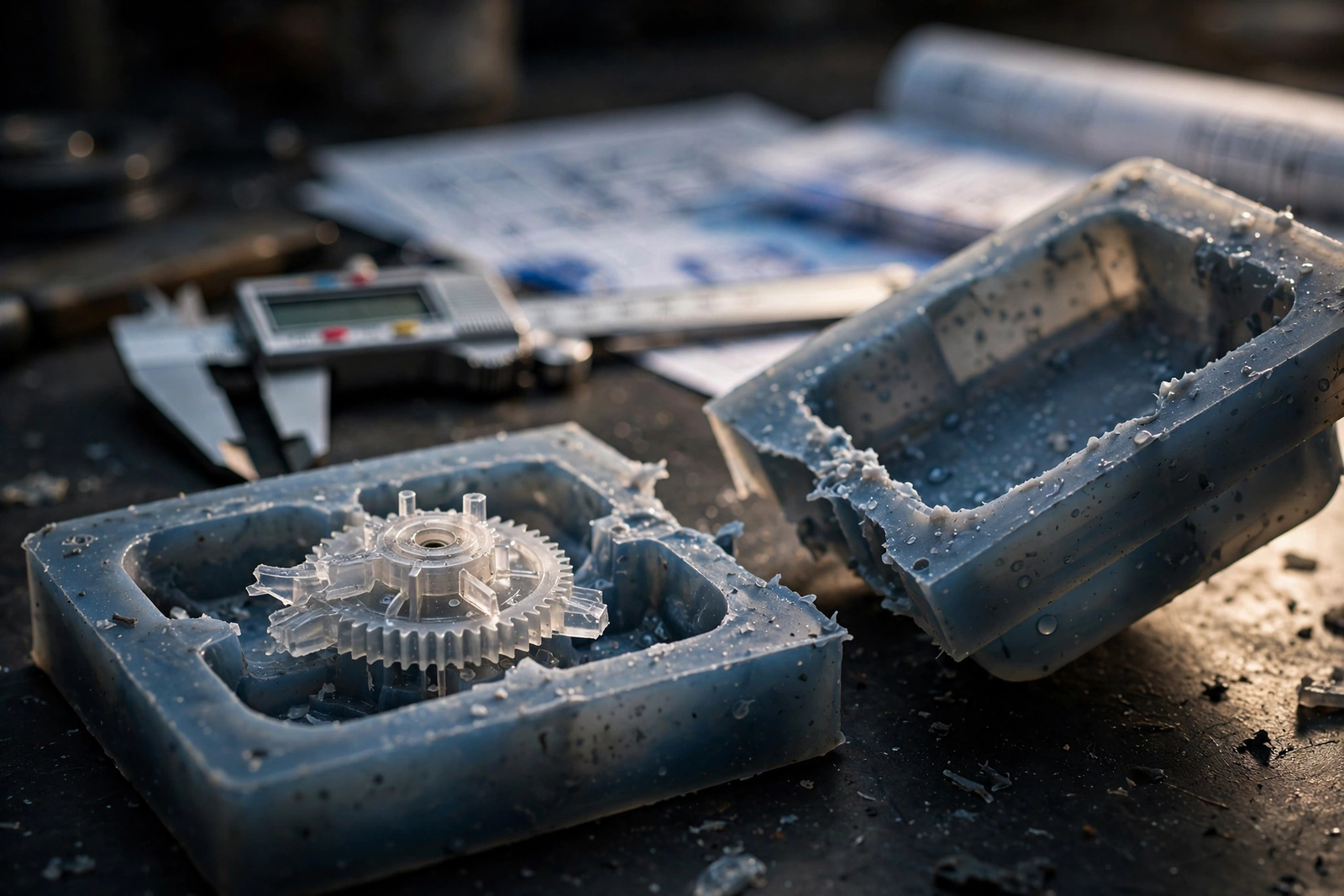
In manufacturing, moulds are used to shape materials into repeatable forms. A mould may be made for plastics, metals, rubber, composites, ceramics, or other materials depending on the production process. Replicating a mould or component can involve measuring an existing part, creating a digital model, designing tooling, and testing the resulting product. These are established kinds of engineering work, but the method depends on material, geometry, tolerances, production volume, and quality requirements.
repmold: CAD and 3D Scanning
Computer-aided design, or CAD, allows engineers to create and modify digital models. Three-dimensional scanning can capture the shape of an existing object and help create a digital representation. These tools can support reverse engineering, inspection, and replacement-part design. Scanning does not automatically produce a manufacturing-ready mould. Engineers may need to repair the model, account for material shrinkage, set tolerances, and test the final tool before using it reliably.
Rapid Tooling and Additive Manufacturing
Rapid tooling describes approaches that shorten the time needed to produce tools or moulds. Additive manufacturing, commonly called 3D printing, can create prototype tooling or certain production components. Benefits may include faster iteration and reduced upfront tooling time for some applications. Limitations can involve material properties, surface finish, durability, temperature, and production scale. These are recognized technologies; calling them “Repmold” does not establish a separate invention or industry standard.
Are Technical Claims Verified?
Some pages use Repmold to describe a modern mould-making technology and claim benefits such as speed, accuracy, or reduced waste. Such claims should be assessed against product documentation, technical papers, patents, standards, and independent manufacturing evidence. A descriptive article alone is not enough to establish that a named technology is widely adopted or formally recognized. Until stronger evidence is available, it is safer to call Repmold an informal online term or a website name rather than a confirmed industry standard.
Potential Uses and Evaluation
Mould replication and reverse engineering can help replace obsolete parts, produce prototypes, adapt designs, or recreate components whose original files are unavailable. Potential industries include automotive production, consumer goods, medical devices, and industrial maintenance. Each use has different quality and regulatory requirements. When evaluating a manufacturing claim, look for a named manufacturer, specifications, measurable performance data, independent testing, and evidence of real deployments. Broad promises of savings should be checked against tooling, labor, finishing, and quality-control costs.
Questions to Ask Before Accepting a Technical Claim
When a page connects repmold with a manufacturing method, readers should ask whether it identifies a specific product, process owner, technical specification, or independent test. Claims about speed, precision, reduced waste, and lower cost are measurable and should be supported by comparisons that explain the baseline. A marketing description may introduce an idea, but it does not by itself prove that a process is standardized or widely adopted. Useful evidence may include patents, engineering papers, recognized standards, documented installations, and transparent performance data. If those details are missing, describe the idea cautiously and distinguish it from established manufacturing techniques.
From Online Description to Real-World Application
Anyone considering repmold for an actual production task should first define the material, dimensions, tolerances, expected quantity, service environment, and required quality checks. Those variables determine whether a method is appropriate and what it will cost. A prototype that works for a demonstration may not meet the durability, safety, or traceability requirements of commercial production. Ask suppliers for documentation and test results, and consult qualified engineers where the part is safety-critical. This practical evaluation is more reliable than assuming a new term automatically represents a proven technology. It also helps readers separate general manufacturing concepts from claims about one named platform or process.
Frequently Asked Questions
What is Repmold? It is a publishing website name and an informal term used by some pages for mould-making ideas.
Is it an established manufacturing standard? That status is not established by the available evidence.
Does Repmold.com accept guest posts? Its About page describes guest contributions.
Are CAD and 3D scanning real technologies? Yes, but their existence does not validate every claim made under the Repmold name.
How should a technical claim be checked? Look for independent specifications, testing, patents, and industry documentation.