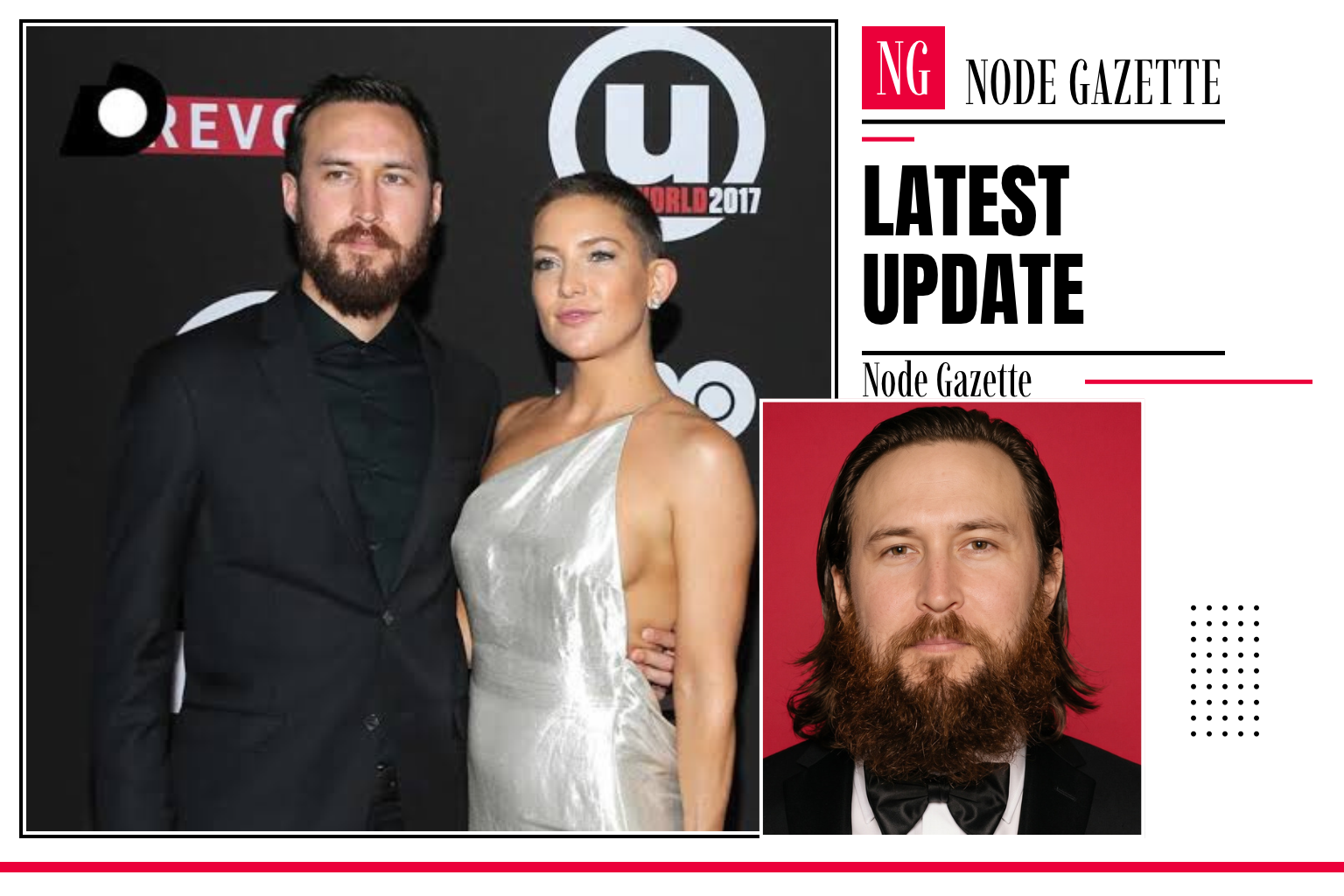
Ron Fujikawa is the subject of this profile. The article uses the information that can be responsibly connected to the named person and distinguishes established facts from claims that remain uncertain. Ron Fujikawa’s documented story is built around his education, legal career, marriage, and children. The obituary record associated with Danny Fujikawa’s father places his birth in 1948 in Mount Vernon, Missouri. He grew up in Long Beach, attended Woodrow Wilson High School, Stanford University, and Stanford Law School. The same account describes him as a student leader and varsity athlete before he entered legal practice in Los Angeles.
Quick Information
Known for: California attorney and father of musician Danny Fujikawa
Background and identity
Ron Fujikawa’s documented story is built around his education, legal career, marriage, and children. The obituary record associated with Danny Fujikawa’s father places his birth in 1948 in Mount Vernon, Missouri. He grew up in Long Beach, attended Woodrow Wilson High School, Stanford University, and Stanford Law School. The same account describes him as a student leader and varsity athlete before he entered legal practice in Los Angeles.
This point is important when assessing information about Ron Fujikawa. A biographical profile should separate a documented event or relationship from assumptions that may appear in copied online summaries. Where the available record is incomplete, the responsible approach is to state the limit clearly. This keeps the account useful to readers and avoids presenting speculation as fact.
Career and public recognition
He joined Gibson, Dunn after law school and later helped establish Kinsella, Bosch, Fujikawa, and Towle with colleagues. In 1998 he became a partner at Greenberg, Glusker. These facts establish a substantial professional life, even though the available public record does not provide a complete list of cases or specialties. His work should therefore be described accurately as a career in California law rather than assigned an unsupported legal niche.
This point is important when assessing information about Ron Fujikawa. A biographical profile should separate a documented event or relationship from assumptions that may appear in copied online summaries. Where the available record is incomplete, the responsible approach is to state the limit clearly. This keeps the account useful to readers and avoids presenting speculation as fact.
Family and personal context
Ron married Melissa Linehan in 1980, and they had three sons: Michael, Daniel (Danny), and Braden. Danny later became a musician and the partner of actress Kate Hudson, which explains much of the present-day search interest in Ron. The family connection should not obscure Ron’s own identity as a husband, father, and professional. The public record also remembers him as an avid golfer and a member of the Los Angeles Country Club.
This point is important when assessing information about Ron Fujikawa. A biographical profile should separate a documented event or relationship from assumptions that may appear in copied online summaries. Where the available record is incomplete, the responsible approach is to state the limit clearly. This keeps the account useful to readers and avoids presenting speculation as fact.
What is known today
The information about Ron is limited, and similar names appear in other public records. The birth, education, family, and career details should be considered together to avoid mixing him up with another Ronald Fujikawa. His story is not a conventional celebrity biography: he worked largely outside entertainment and did not maintain a public media profile. The most useful account is one that respects that distinction and avoids speculation about private matters.
This point is important when assessing information about Ron Fujikawa. A biographical profile should separate a documented event or relationship from assumptions that may appear in copied online summaries. Where the available record is incomplete, the responsible approach is to state the limit clearly. This keeps the account useful to readers and avoids presenting speculation as fact.
Professional and Personal Context
To understand this part of the biography, it helps to distinguish a verified fact from an assumption. The available record supports Stanford education and Los Angeles law practice. It does not automatically establish every detail that a search result may attach to the name. A careful article can explain the significance of the documented information, show how it fits into the subject’s wider story, and leave unconfirmed details clearly identified. That approach is more useful to readers than an exact-sounding but unsupported claim.
For Ron Fujikawa, this distinction is particularly relevant because the available information is concentrated around Stanford education and Los Angeles law practice. Readers can understand the subject more fully by considering Gibson, Dunn; Kinsella, Bosch, Fujikawa, and Towle; Greenberg, Glusker as context, while remembering that this connection does not establish unreported details about the person’s private choices. The known family context-Melissa Linehan and sons Michael, Daniel, and Braden-should be stated accurately and without adding assumptions. Where the record does not provide further information, the article says so directly rather than treating an absence of coverage as evidence.
Why the Public Connection Matters
The wider context is important because Gibson, Dunn; Kinsella, Bosch, Fujikawa, and Towle; Greenberg, Glusker. This public connection helps explain why readers search for the subject, but it should not replace the subject’s own identity. The article therefore treats the connection as background and keeps the focus on what can actually be said about the person. Where a source offers only a brief reference, the responsible approach is to avoid turning that reference into an elaborate personal story.
For Ron Fujikawa, this distinction is particularly relevant because the available information is concentrated around Stanford education and Los Angeles law practice. Readers can understand the subject more fully by considering Gibson, Dunn; Kinsella, Bosch, Fujikawa, and Towle; Greenberg, Glusker as context, while remembering that this connection does not establish unreported details about the person’s private choices. The known family context-Melissa Linehan and sons Michael, Daniel, and Braden-should be stated accurately and without adding assumptions. Where the record does not provide further information, the article says so directly rather than treating an absence of coverage as evidence.
Family Details and Privacy
Family information also needs careful handling. The confirmed public context includes Melissa Linehan and sons Michael, Daniel, and Braden. Beyond those points, private relationships, household routines, and personal conversations should not be reconstructed from guesses. Family members of well-known people may attract attention without choosing public careers themselves. A biography should give readers the relevant relationship information while recognizing that relatives retain their own privacy and should not be treated as extensions of a celebrity’s public image.
For Ron Fujikawa, this distinction is particularly relevant because the available information is concentrated around Stanford education and Los Angeles law practice. Readers can understand the subject more fully by considering Gibson, Dunn; Kinsella, Bosch, Fujikawa, and Towle; Greenberg, Glusker as context, while remembering that this connection does not establish unreported details about the person’s private choices. The known family context-Melissa Linehan and sons Michael, Daniel, and Braden-should be stated accurately and without adding assumptions. Where the record does not provide further information, the article says so directly rather than treating an absence of coverage as evidence.
Checking the Public Record
Another important issue is how online biographies are assembled. Many short profiles repeat the same dates, labels, and claims without showing whether those details come from an original interview, an official record, or another copied article. Repetition can make an uncertain claim look settled. For this subject, his documented career is much clearer than his private life. This is why the article avoids unsupported net-worth estimates, invented education details, and claims about present-day work that cannot be confirmed.
For Ron Fujikawa, this distinction is particularly relevant because the available information is concentrated around Stanford education and Los Angeles law practice. Readers can understand the subject more fully by considering Gibson, Dunn; Kinsella, Bosch, Fujikawa, and Towle; Greenberg, Glusker as context, while remembering that this connection does not establish unreported details about the person’s private choices. The known family context-Melissa Linehan and sons Michael, Daniel, and Braden-should be stated accurately and without adding assumptions. Where the record does not provide further information, the article says so directly rather than treating an absence of coverage as evidence.
Understanding the Subject Beyond One Label
The subject’s public story should be read in proportion. A person may be known because of one family relationship, one creative influence, one credited appearance, or a particular professional contribution. That does not mean the person’s whole life can be inferred from that single connection. The known facts provide a starting point, while the missing details remain missing. A responsible biography makes that distinction visible rather than filling every gap with speculation.
For Ron Fujikawa, this distinction is particularly relevant because the available information is concentrated around Stanford education and Los Angeles law practice. Readers can understand the subject more fully by considering Gibson, Dunn; Kinsella, Bosch, Fujikawa, and Towle; Greenberg, Glusker as context, while remembering that this connection does not establish unreported details about the person’s private choices. The known family context-Melissa Linehan and sons Michael, Daniel, and Braden-should be stated accurately and without adding assumptions. Where the record does not provide further information, the article says so directly rather than treating an absence of coverage as evidence.
Recent Attention and Verified Updates
Public interest can change over time as a relative becomes more famous, a programme remains popular, a song gains new listeners, or a game is rediscovered by a new audience. That changing attention can bring an older name back into search results. It does not necessarily mean that the subject has made a new public announcement. Unless a recent development is confirmed, the article should describe the latest reliable public information without inventing a current update.
For Ron Fujikawa, this distinction is particularly relevant because the available information is concentrated around Stanford education and Los Angeles law practice. Readers can understand the subject more fully by considering Gibson, Dunn; Kinsella, Bosch, Fujikawa, and Towle; Greenberg, Glusker as context, while remembering that this connection does not establish unreported details about the person’s private choices. The known family context-Melissa Linehan and sons Michael, Daniel, and Braden-should be stated accurately and without adding assumptions. Where the record does not provide further information, the article says so directly rather than treating an absence of coverage as evidence.
A Balanced Biographical Picture
Finally, the value of a biography is not measured only by how many private details it can list. It is measured by whether readers finish with a clearer understanding of the person, the documented relationships, the relevant professional or cultural context, and the limits of what is known. This profile aims to provide that clarity. It uses the subject’s confirmed connections as context, avoids unsupported claims, and keeps the distinction between public record and private life intact.
For Ron Fujikawa, this distinction is particularly relevant because the available information is concentrated around Stanford education and Los Angeles law practice. Readers can understand the subject more fully by considering Gibson, Dunn; Kinsella, Bosch, Fujikawa, and Towle; Greenberg, Glusker as context, while remembering that this connection does not establish unreported details about the person’s private choices. The known family context-Melissa Linehan and sons Michael, Daniel, and Braden-should be stated accurately and without adding assumptions. Where the record does not provide further information, the article says so directly rather than treating an absence of coverage as evidence.