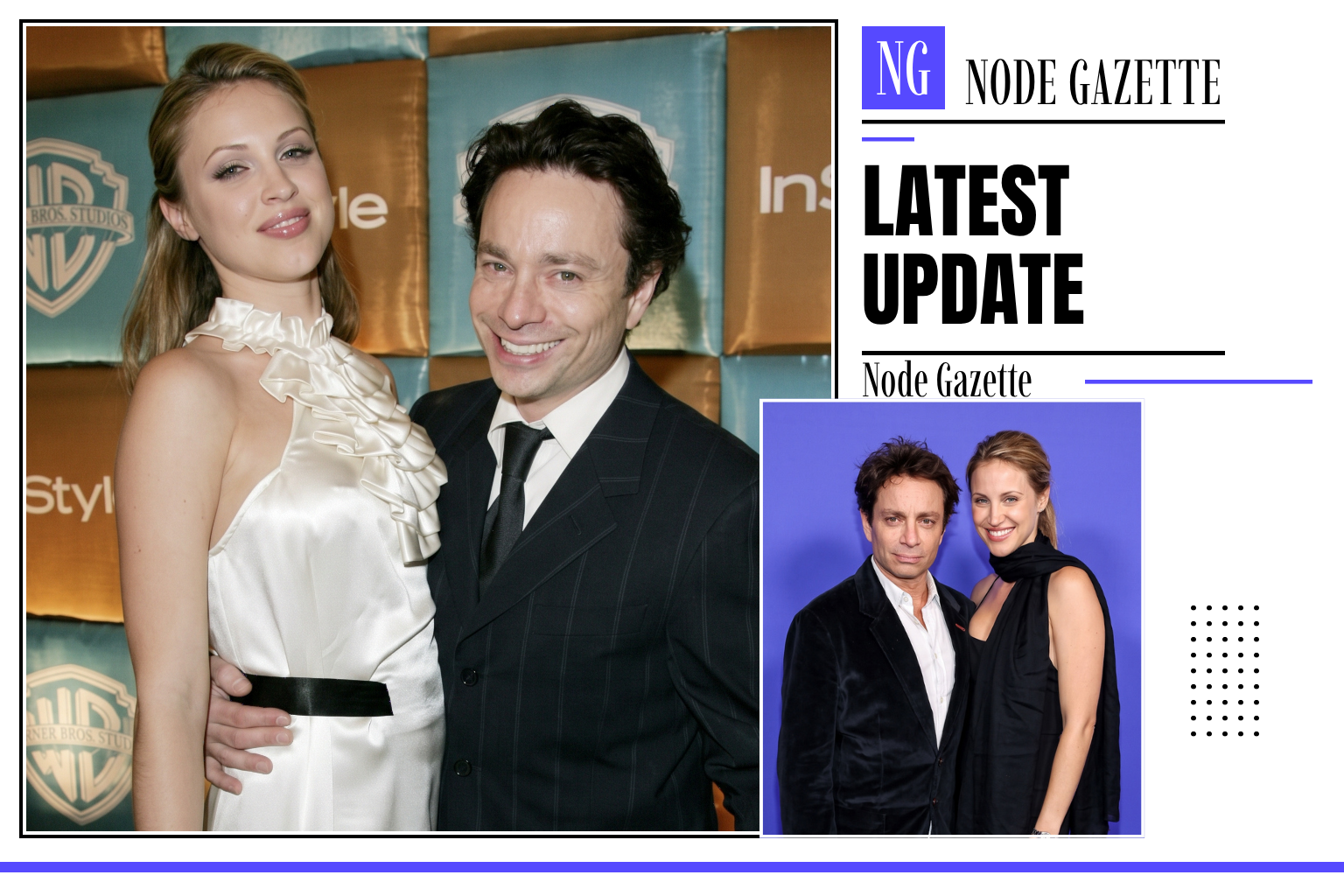
Sunshine Deia Tutt is known for modeling and acting and for her former marriage to actor and comedian Chris Kattan. Her public biography combines creative work with a period of celebrity attention, yet the available record of her life is smaller than that of her former spouse. This article focuses on the broad, publicly reported outline and avoids presenting unverified personal details as fact.
Sunshine Deia Tutt: Quick Information
| Detail | Information |
|---|---|
| Known for | Modeling, acting, and former marriage to Chris Kattan |
| Profession | Model and actress, as publicly described |
| Former spouse | Chris Kattan |
| Marriage | Married in 2008; later divorced |
Sunshine Deia Tutt: Early Life and Education
Public biographical summaries describe Tutt as having pursued modeling and acting, but reliable sources offer limited detail about her childhood and education. Specific claims about where she grew up, her family, or private life should be treated cautiously unless supported by dependable evidence. A profile can still be informative by focusing on the professional path and public milestones that are reasonably documented. Modeling and acting often involve auditions, networking, short-term assignments, and competition, but these general industry conditions should not be mistaken for a record of her personal experiences.
Sunshine Deia Tutt: Modeling and Acting Work
Tutt has been publicly associated with modeling and acting. The entertainment industry often combines print campaigns, auditions, small screen roles, and event appearances. Public credits and professional listings are the strongest way to establish a person’s work history; vague descriptions on biography websites are not enough to confirm a long list of projects. Her name is sometimes searched mainly because of her marriage, which can obscure the fact that she had professional interests of her own. Where a complete filmography is not established, it is better to avoid padding a profile with uncertain titles.
Sunshine Deia Tutt: Marriage to Chris Kattan
Tutt married comedian and actor Chris Kattan in 2008. Kattan was widely recognized through his work on Saturday Night Live and in comedy films, so their relationship attracted entertainment coverage. These are the key public milestones most often associated with her name. Relationship histories are often simplified into headlines, but private reasons for a marriage ending can be complex. Unless the people involved have clearly discussed a matter themselves, a biography should not repeat sensational explanations as fact.
Sunshine Deia Tutt: Life After the Marriage
After the divorce, Tutt has kept a relatively low public profile compared with Kattan. A lack of regular public appearances does not prove anything about her private circumstances, career choices, or relationships. It simply means that recent developments are not extensively documented in mainstream public sources. Readers may encounter sites that promise exact updates about a person’s location, income, or romantic life. Such claims deserve skepticism when they are not tied to reliable reporting.
Sunshine Deia Tutt: Public Image and Privacy
Tutt’s public image is shaped by her creative work and her connection to a recognizable comedy performer. The latter tends to dominate search results because celebrity coverage prioritizes familiar names. Being associated with a celebrity does not make a person’s entire life public property. Her story illustrates why biography writing should not confuse search popularity with the amount of verifiable information available. The most useful account is concise about confirmed milestones, transparent about uncertainty, and respectful toward details that have not been publicly shared.
Understanding Work in Modeling and Entertainment
Modeling and acting are often project-based professions. A performer may work intensively for a period and then have few publicly listed credits, while another may move into work that does not attract entertainment reporting. Online biographies do not always distinguish these possibilities. For that reason, the absence of a long list of credits should not be interpreted as proof that a person lacked professional interests or ability.
Marriage to a comedian can also lead to a media narrative that centers on the relationship rather than on the individual’s own choices. A thoughtful profile resists turning a personal timeline into a morality tale. It reports the milestones that can be supported and leaves private explanations to the people who experienced them.
The Challenge of Being Known Through a Relationship
Public figures and their partners are often covered differently. The celebrity’s professional projects generate regular headlines, while a partner may appear in news only around a wedding, separation, or event. This uneven coverage can make the partner’s own career seem smaller than it was, or encourage writers to define the person entirely through the relationship. A responsible profile avoids both mistakes: it acknowledges known work and relationship milestones, but does not exaggerate credits or invent details simply to balance the story.
Sunshine Deia Tutt: What Readers Should Take Away
The clearest picture of Tutt is a limited but useful one: she has been described as a model and actress, she married Chris Kattan in 2008, and the marriage later ended. Beyond those points, the public record is not comprehensive. Readers should be wary of profiles that state exact financial figures or intimate personal details without transparent sourcing. A careful article remains helpful by explaining what is known, why her name attracts interest, and where reliable information stops.
Sunshine Deia Tutt: A Reader-Focused Overview
Readers searching for Sunshine Deia Tutt usually want to understand her professional background and why she is associated with Chris Kattan. The best answer is a measured summary of the reported modeling and acting work, the marriage in 2008, and the later divorce. It is equally important to state that detailed information about her more recent personal life is limited. This gives readers a useful starting point and avoids implying that unconfirmed claims are news. If reliable interviews or professional credits surface, those can add substance to a future revision without changing the careful distinction between public facts and private matters.