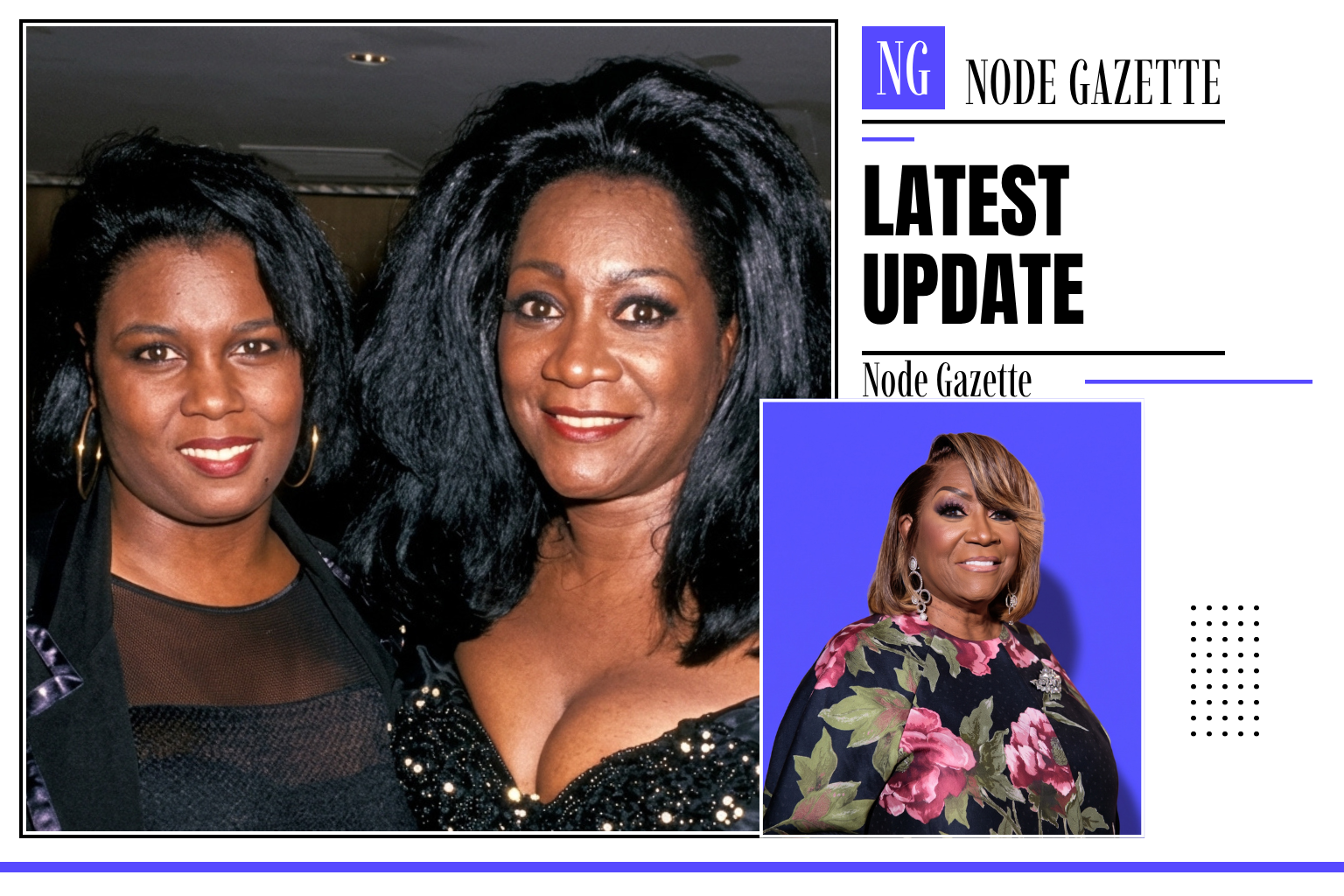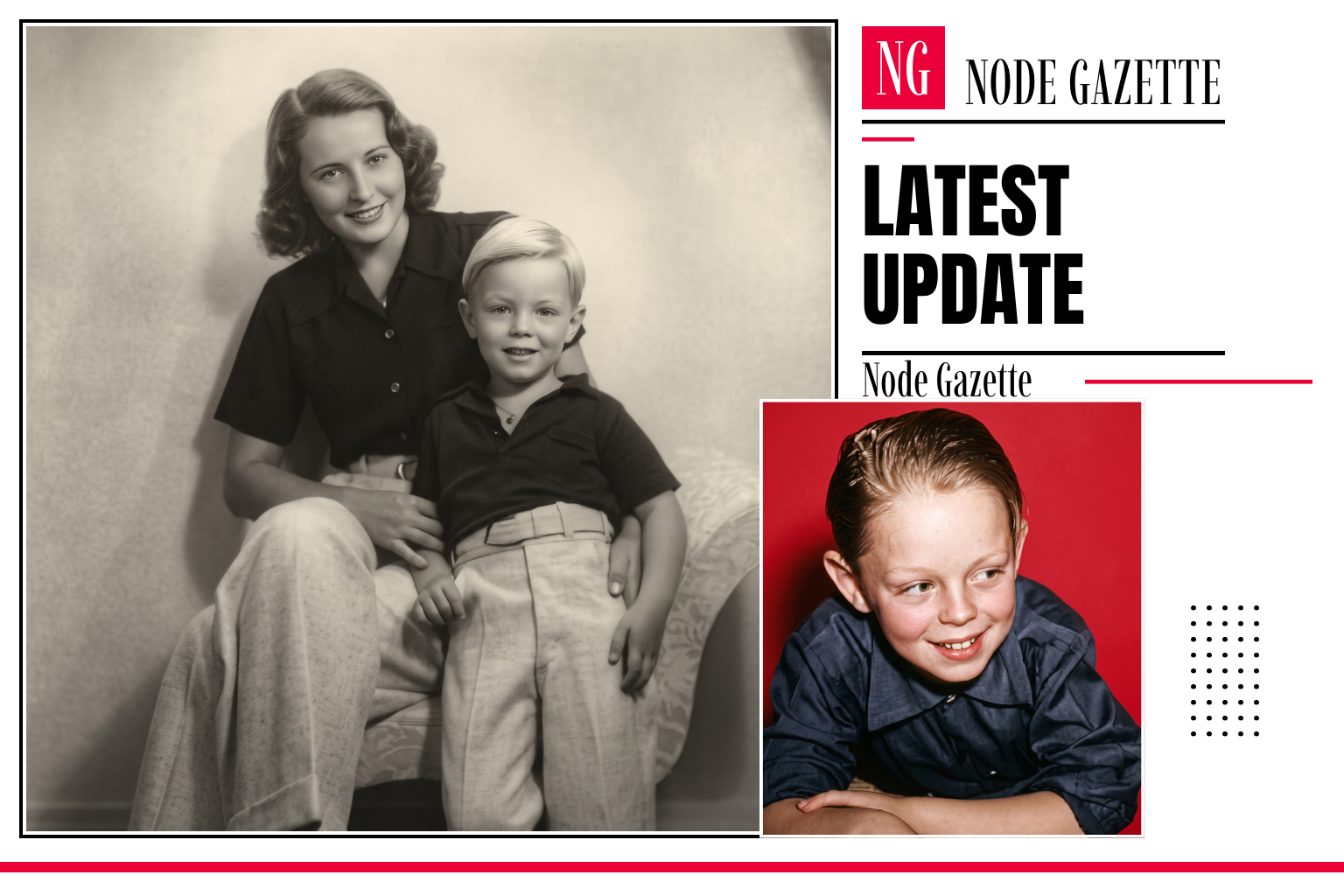
Anthony Dion Fay, also known as Dion or Tony Fay in accounts of his life, was the adopted son of Hollywood actress Barbara Stanwyck and entertainer Frank Fay. Stanwyck was one of the major screen performers of her generation, known for roles in films such as Double Indemnity and later television work. Her son, by contrast, lived largely outside the entertainment industry. His story appears in biographies of Stanwyck and in accounts of the complicated relationship between a famous parent and a child whose childhood unfolded under public and private pressures.
Quick Information
Name: Anthony Dion Fay, also referred to as Dion or Tony
Known for: Adopted son of Barbara Stanwyck and Frank Fay
Adoption: 1932, according to historical accounts
Adoptive mother: Barbara Stanwyck
Adoptive father: Frank Fay
Parents’ divorce: 1935
Public profile: Largely private; discussed in biographies of Stanwyck
Early Life and Adoption
Barbara Stanwyck and Frank Fay adopted Dion Anthony Fay in 1932, during the early years of their marriage. The adoption occurred while Stanwyck’s film career was growing and Frank Fay was a prominent stage performer. Contemporary publicity sometimes presented the child as a source of happiness for the couple, but the family‘s circumstances changed considerably when the marriage ended.
The exact details of Anthony Dion Fay’s earliest life are not all consistently documented in accessible public sources. It is therefore best to focus on the central established fact: he was adopted by Stanwyck and Frank Fay as an infant. He later became known through the biographies of his mother, whose professional accomplishments were far more widely publicised than his own adult life.
Barbara Stanwyck’s Career and Public Image
Stanwyck built a celebrated career through dramatic range, discipline, and a long working life in film and television. Her roles often portrayed independent, resourceful women, and her screen persona could appear tough and self-reliant. Yet a public image does not reveal everything about a person’s private relationships. Biographers have described Stanwyck as reserved outside her work, and her family life was shaped by experiences that preceded her Hollywood success.
Understanding the context of her career helps explain why the family attracted attention, but it does not excuse or prove any particular parenting decision. Stanwyck’s professional life demanded long hours and travel, while her personal history influenced how later writers interpreted her approach to family. A responsible article should avoid turning a complicated relationship into a simple story of a villain and a victim.
The Divorce and Custody Conflict
Stanwyck and Frank Fay divorced in 1935. The separation led to a custody dispute over Dion, which was covered in historical accounts and reflected the legal and social realities of the era. The case became part of the public record because both parents were connected to the entertainment world. The conflict was not simply a celebrity anecdote; it concerned the upbringing of a child and the competing claims of parents after a marriage ended.
Reports from the period can reflect the language and assumptions of their time, so they should be read with context. Later biographies have explored how the custody battle affected Dion and Stanwyck, drawing in part on interviews with people who knew them. A careful profile should distinguish the existence of the dispute from claims about every private event or motivation.
A Difficult Mother-Son Relationship
Biographers have described the relationship between Stanwyck and Dion as strained, particularly as he grew older. Researcher and biographer Victoria Wilson interviewed Dion at length while working on her biography of Stanwyck, and later discussions of that research describe a childhood marked by periods away from home, schooling, and feelings of loneliness. These recollections add an important perspective because they come from Anthony Dion Fay’s own account as recorded by a biographer.
At the same time, the surviving record is incomplete. The emotional experience of a family relationship cannot be reduced to a few headlines or second-hand summaries. It is appropriate to acknowledge that published biographies portray the relationship as difficult, while avoiding invented conversations or dramatic details not supported by sources. The subject deserves empathy rather than sensational treatment.
Growing Up in the Shadow of Fame
Being the child of a well-known actor can create unusual pressures. A parent’s public image may be idealised by audiences, while the child experiences the parent in private settings shaped by work, expectations, and family history. In Stanwyck’s case, the contrast between her disciplined screen persona and accounts of a demanding household has been a recurring subject of biographical discussion.
Anthony Dion Fay’s experience also demonstrates why celebrity families should not be judged solely by publicity. A photograph or promotional story can show only a carefully selected moment. It cannot explain the emotional texture of a childhood. The more useful approach is to listen to documented first-person recollections, consider the historical setting, and acknowledge where evidence is limited.
Life Away from Hollywood
Unlike his adoptive mother, Anthony Dion Fay did not become a major entertainment figure. Much of what is publicly known about him comes through his relationship with Stanwyck and the research of later biographers. Public accounts indicate that he lived apart from the Hollywood spotlight for much of his adult life. Claims about his occupation, relationships, or exact private circumstances should be checked carefully because websites sometimes repeat details without citing original evidence.
The limited information is itself relevant. Anthony Dion Fay was a person whose life was connected to a famous family but who did not have the same public career. A responsible biography should not treat that privacy as a gap to be filled with speculation. His story can be understood through the documented adoption, custody history, and accounts of the difficult family relationship.
Legacy and the Importance of Biography
Anthony Dion Fay’s place in the history of Hollywood is largely tied to the biography of Barbara Stanwyck. Modern writers have revisited the relationship because it complicates the familiar image of a successful star and raises broader questions about family, childhood, and the difference between public achievement and private life.
Biography is most valuable when it resists simple conclusions. A person can be extraordinarily talented in one part of life and struggle in another. A family can contain love, conflict, duty, and disappointment at the same time. Anthony Dion Fay’s story reminds readers that celebrity histories include people who did not choose fame and whose experiences may only be partially known. Treating those people with care is part of writing responsible history.
Conclusion
Anthony Dion Fay was adopted by Barbara Stanwyck and Frank Fay in 1932 and became part of a family whose private difficulties were later discussed in biographies of the celebrated actress. The parents’ 1935 divorce and the custody dispute shaped his childhood, while later biographical research described a strained mother-son relationship. Because the record is incomplete and much of the account comes from retrospective sources, the fairest profile distinguishes documented events from personal recollections and avoids unsupported claims. Dion’s story is an important reminder that the relatives of famous people have their own lives and deserve to be represented with nuance.