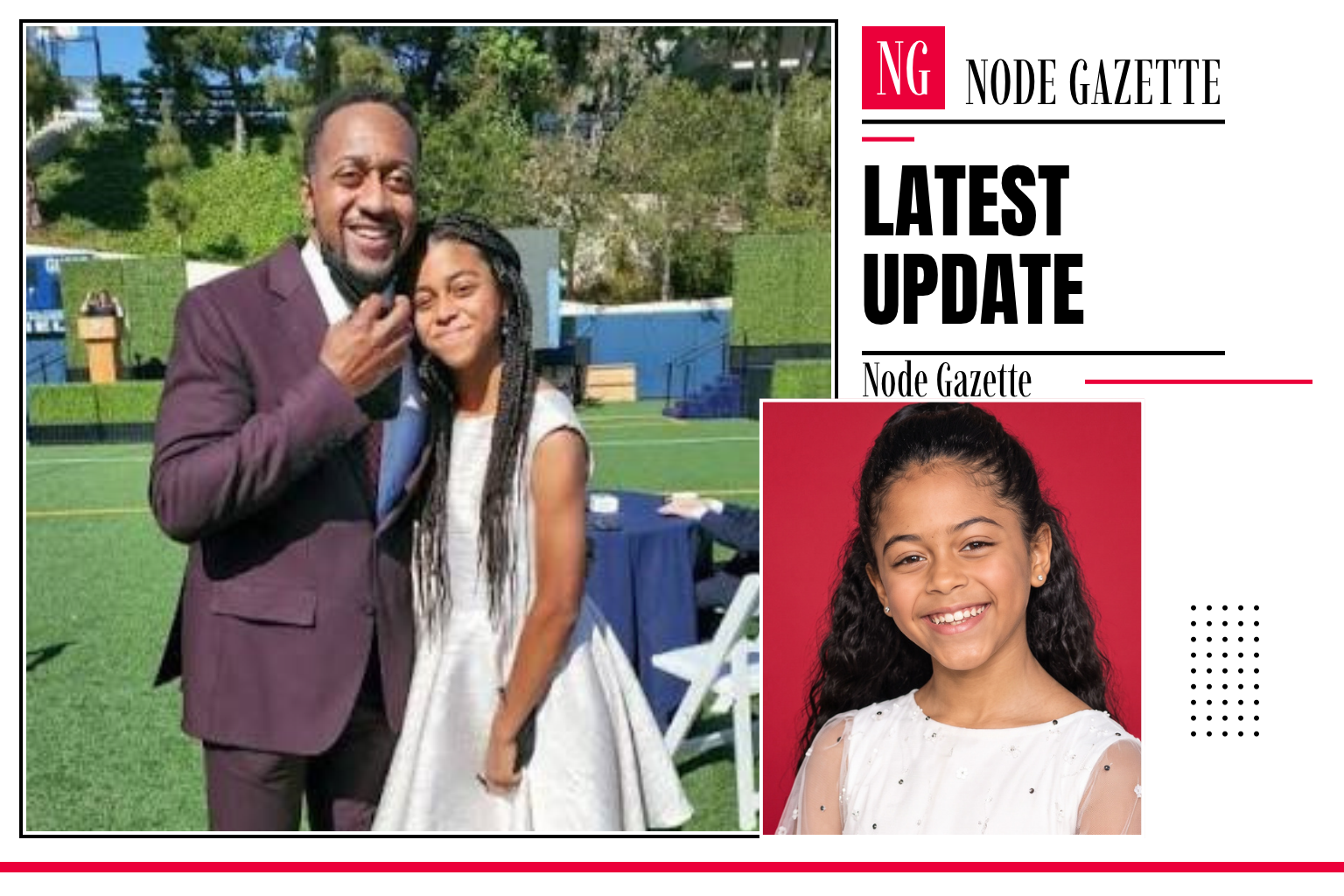
D’nette Bassett is best known as the younger sister of acclaimed actress Angela Bassett. While Angela built a highly visible career in film, television, and theatre, D’nette has maintained a comparatively private life and is not known for an established entertainment career. Public biographies connect the sisters through their parents, Betty Jane Gilbert Bassett and Daniel Benjamin Bassett, and describe St. Petersburg, Florida, as an important part of their family background. Information about D’nette’s adult occupation, relationships, and household is much less certain. Her biography therefore requires a distinction between the family connection that is publicly documented and claims about private matters that are repeated online without dependable confirmation.
Quick Information
Younger sister of actress Angela Bassett
parents Betty Jane Gilbert Bassett and Daniel Benjamin Bassett
family connections to St. Petersburg, Florida
paternal half-sister Jean is mentioned in public biographies
private adult life
no verified Hollywood career.
Early Life and Background
Public information about D’nette Bassett’s early years is limited compared with the record available for more prominent public figures. Biographical pages sometimes provide exact dates, schools, or family stories, but such details are not always traceable to reliable records. A careful account distinguishes what is established from what remains unknown. This is particularly important for people who did not choose a career in entertainment or public office. The absence of extensive reporting does not mean that a life lacks substance; it simply means that private experiences should not be reconstructed from assumptions. The most reliable starting point is the family and professional information that can be supported, followed by a clear explanation of where public documentation ends.
Family and Important Relationships
Family relationships are central to the public interest in D’nette Bassett. These connections help explain why readers search for the name, but they should not become a substitute for a person’s own identity. Where a marriage, parent-child relationship, or sibling connection is well documented, it can be stated directly. By contrast, claims about private disagreements, emotional closeness, or household arrangements require more than inference from photographs or second-hand stories. Family members of public figures are entitled to boundaries. A balanced biography therefore gives relevant family context without turning every relative into a public character or assigning motives and feelings that have not been shared publicly.
Education and Personal Development
Education is often a meaningful part of a biography, but it is also an area where inaccurate details can spread. Some profiles list institutions, qualifications, or graduation years without providing a dependable basis. Unless a school, university, professional directory, or direct interview confirms a detail, it is safer to qualify it as reported rather than definitive. Education can shape a person’s interests and opportunities, but writers should not invent a neat story in which every later decision follows from one childhood event. For D’nette Bassett, the available public record should guide the level of detail. Where specific educational facts are not established, the article can explain the limits instead of filling the space with unsupported claims.
Career and Public Identity
A person’s professional identity may be much less visible than that of a famous relative. Work in education, mental health, family life, or private business often leaves fewer public records than a filmography or a professional sports career. That does not make the work unimportant. It means that a biography should rely on professional profiles and current records rather than copied celebrity pages. If a job title is reported only in older material, it should not automatically be described as the person’s present role. In writing about D’nette Bassett, the goal is to make the distinction between known professional activity and unverified claims easy for readers to understand.
Life Outside the Spotlight
A low public profile is not evidence of controversy, failure, or an intentionally hidden story. Many people prefer to keep their personal lives separate from public attention, particularly when a relative’s fame creates curiosity. The available information about D’nette Bassett does not justify speculation about everyday routines, friendships, finances, or private decisions. It is more useful to explain why the person is known and what can be responsibly said than to manufacture a dramatic narrative. Respecting privacy also improves accuracy: a biography that admits uncertainty is more trustworthy than one that treats every repeated online claim as fact.
Public Interest and Online Searches
Search interest often grows when a person is related to a well-known actor, athlete, or television personality. Readers may want to know whether the relative followed the same career, how the family lived, or what happened later in life. Those are understandable questions, but online results can combine verified information with recycled speculation. A fact repeated by several websites is not necessarily independently confirmed if they all rely on the same original claim. For D’nette Bassett, the best approach is to focus on the facts that clarify the public connection and to label uncertain details. That approach serves readers better than a long list of unsupported dates or estimates.
Separating Fact From Speculation
Several kinds of claims deserve particular care: exact net worth, current residence, relationship status, children’s personal details, and claims about professional credentials. Such information may be private, may change over time, or may never have been disclosed. A biography should not infer wealth from a famous relative’s earnings, nor assume that a person has a particular occupation because a name appears on a loosely related page. For D’nette Bassett, the responsible standard is to use clear language such as “public profiles report” when evidence is secondary and to say “not publicly confirmed” when reliable confirmation is missing. Accuracy is more valuable than false completeness.
The Wider Context
Understanding D’nette Bassett also benefits from a brief view of the world surrounding the person’s public identity. A famous relative’s career, a family’s move, or a professional field can explain why the name appears in searches. Context should illuminate rather than overwhelm the subject. It should not turn the biography into an article about someone else or imply that the subject’s life can be understood only through a more famous person. The strongest account balances context with the available facts about the individual and acknowledges that private experience cannot be reconstructed from public milestones alone.
What Is Known Today?
The current public picture of D’nette Bassett is shaped by the information that remains available and verifiable. Older profiles can be useful, but they may not reflect a person’s current employment, family arrangements, or activities. If there is no recent reliable record, it is more accurate to say that current details are not clearly documented than to present old information as current. The same applies to social-media accounts and professional affiliations: a matching name does not prove identity. This cautious approach keeps the biography useful while reducing the risk of repeating inaccurate claims.
Conclusion
The most reliable way to understand D’nette Bassett is to combine established biographical facts with an honest account of what remains private or uncertain. Family background may explain public interest, and professional information can offer a more individual perspective, but neither should be expanded through guesswork. A well-written biography does not need to answer every possible question. It needs to provide the most relevant facts, explain their significance, and leave unsupported claims out. By respecting those boundaries, readers receive a clearer and more credible portrait of D’nette Bassett and the circumstances that brought the name to public attention.